

The Screen Balance Blog
Thoughts on raising kids in a world of endless scroll — and helping them practice how to play, finish, save, and move on.
Most screen-time advice gives parents tools to restrict, delay, or count screen time. Those tools matter, but they do not solve the moment when a child’s brain is caught in an unfinished loop.
Wanderwing is designed around completion: No endless feeds. No auto-play. No ads. No pressure to keep scrolling.
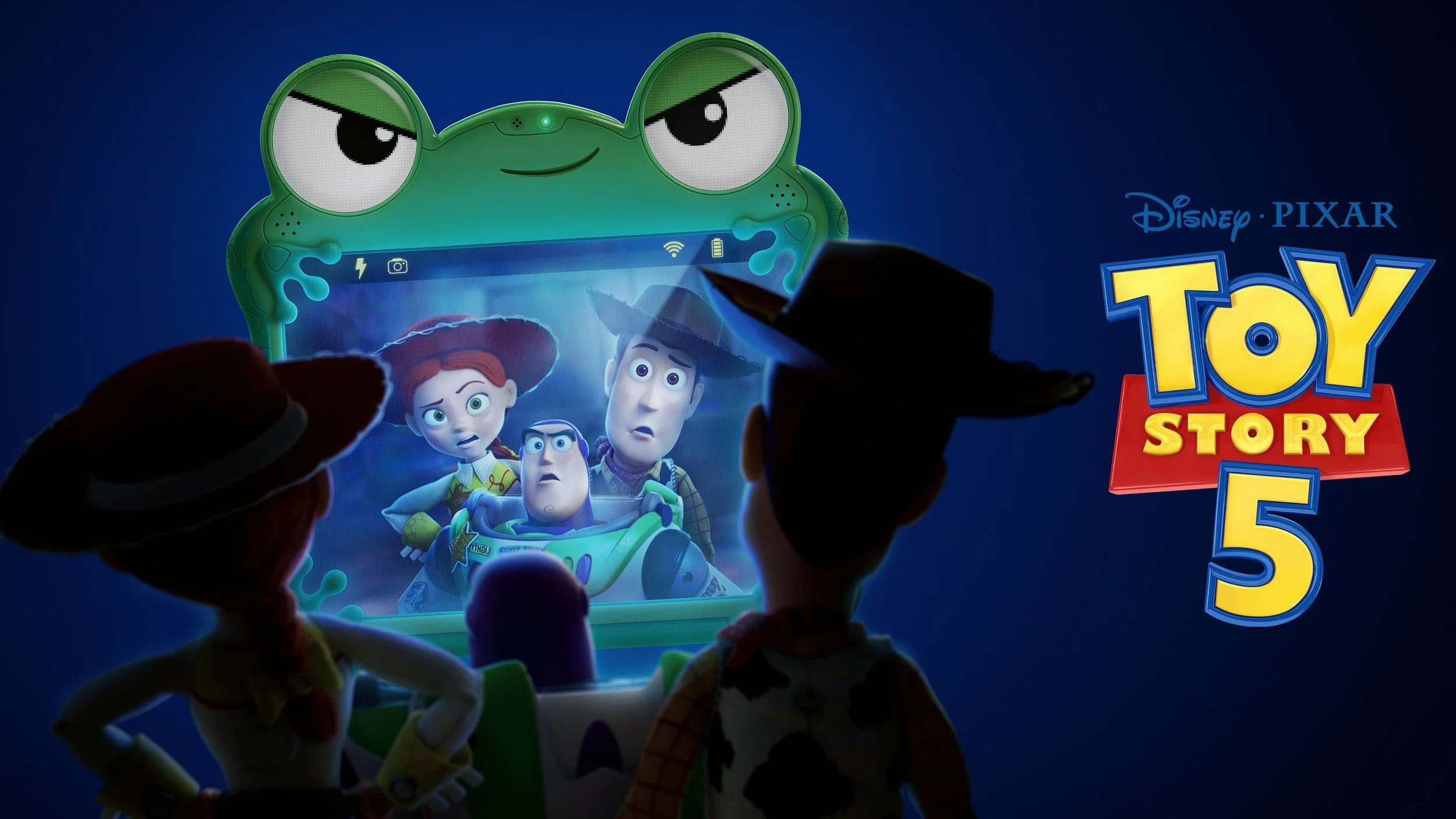
Toy Story 5 Opens Up a Wound Parents Didn’t Even Realize was Still Healing
The first four Toy Story movies were released from 1995-2019. In the first movie, Buzz Lightyear’s flashy buttons are the biggest threat to Woody and the gang. When we get to Toy Story 4, it’s 2019 and Bonnie is in preschool. In the Toy Story universe devices are largely absent and in our world tweens have devices but not many pre-schoolers.
Now, in 2026, we parents have largely forgiven ourselves for the pandemic parenting style of ‘What’s a little more screen time? This won’t last forever.” That’s until Toy Story 5 decides to take us on the kind of emotional guilt trip usually reserved for Tony Soprano at the hands of his mother.
In this Toy Story universe sleep overs are just zombie children looking at screens, bullying is easy, kids are scared to talk to each other, and parents are on zoom convincing their co-workers they really are on mute.
The Summer Screen Time Surge Is Coming. Here’s a Better Plan.
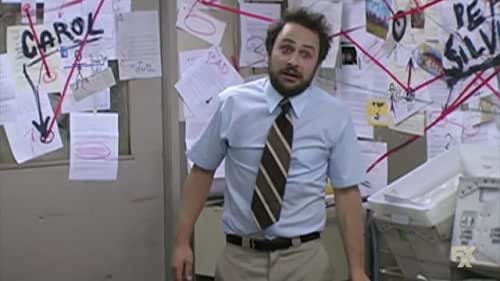
Summer is a hot mess. During the school year, I have a steady rhythm of the long school days and ‘uber-ing’ your children from one activity to the next each weeknight. On the flip side, if you come to my house on a Sunday night in June, I don’t look like a calm, organized CEO. I look like Charlie from It’s Always Sunny standing in front of his Pepe Silvia conspiracy board.
I’m pacing, caffeine-fueled, wild-eyed, tracing paths of red string across a calendar grid. Week 1 is connected via push-pin to a 9:00 AM soccer drop-off, which loops around an unexpected dental appointment, branches off into a shared neighborhood carpool text thread, and dead-ends into a 2:00 PM corporate Zoom call. I’m staring at this massive, complicated web of summer logistics, desperately trying to prove to yourself that the plan makes sense, all while your kids are in the next room asking what's for dinner. You’ve built this beautiful, terrifying masterpiece of a schedule, and you’re just praying that if one single piece of string snaps, the whole house doesn't descend into utter chaos.
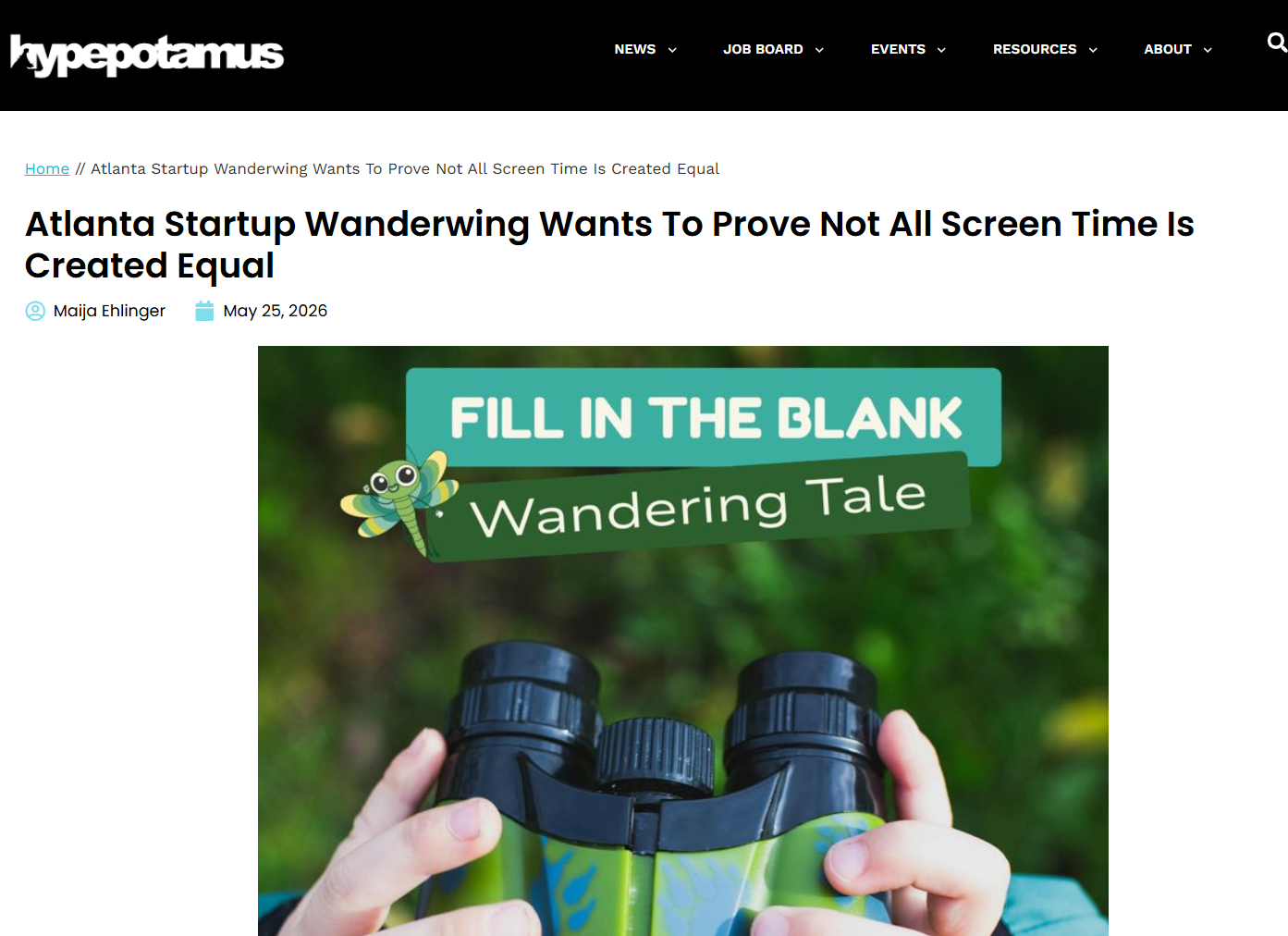
Atlanta Startup Wanderwing Wants To Prove Not All Screen Time Is Created Equal
Atlanta founder Emily Carter got the idea for Wanderwing, a mobile gaming platform, after her daughter asked if a snail she found in their yard could become the next family pet.
“She did what kids do now: she used a screen to figure out how to care for snails. She researched habitats. She looked up food. She made a case. When my husband and I politely declined adding a snail to our existing Carter family pet lineup of two dogs and two geckos, she was not deterred,” Carter told Hypeptamus. “Her next move was to create a slide deck explaining why this snail would be a valuable addition to our household. We still said no, but something about that moment stayed with me.”
The screen time debate among parents is a heated one. But Carter saw the need for a different type of conversation.
“I was watching my child use technology to learn, organize her thoughts, advocate for herself, and find her voice. It hit me that the problem is not simply “screens.” Screens can be powerful tools for kids, too. The real question is: what kind of screen experience are we giving them?”

Meta’s Teen Safety Campaign Has “Thoughts and Prayers” Energy
have two minds when it comes to Meta, also known as Facebook.
On one hand, Facebook is still a relatively young company. It started as a product for college kids to rank photos, share what they had for lunch, post random thoughts from a night out, and generally turn everyday life into something a little more connected.
I truly do not think Mark Zuckerberg was sitting in his dorm room dreaming up a world where an octogenarian would meet a bot in the comment section of a political meme at 5AM. And this interaction would set off a national crisis with Donald Trump baselessly ranting about the people of Springfield eating dogs and cats.

Kids Don’t Need a Screen Ban. They Need a Better Screen Diet.
The EU could propose social media ban for children this summer. What may surprise you is when kids heard about this, their first reaction was okay, the ban is great, it will protect us.
But then the kids realized this ban meant they couldn’t connect with each other on Roblox, to Fortnite, to Instagram or TikTok, and they started organizing.
In the article, 19-year-old Lauren Bond, a board member of the Organising Bureau of European School Student Unions, makes a simple argument that every parent should sit with:
“Platforms don’t automatically become safer when they turn 18 or 19.”
That line stopped me.