

The Screen Balance Blog
Thoughts on raising kids in a world of endless scroll — and helping them practice how to play, finish, save, and move on.
Most screen-time advice gives parents tools to restrict, delay, or count screen time. Those tools matter, but they do not solve the moment when a child’s brain is caught in an unfinished loop.
Wanderwing is designed around completion: No endless feeds. No auto-play. No ads. No pressure to keep scrolling.
It’s Not You. It’s the Zeigarnik Effect.
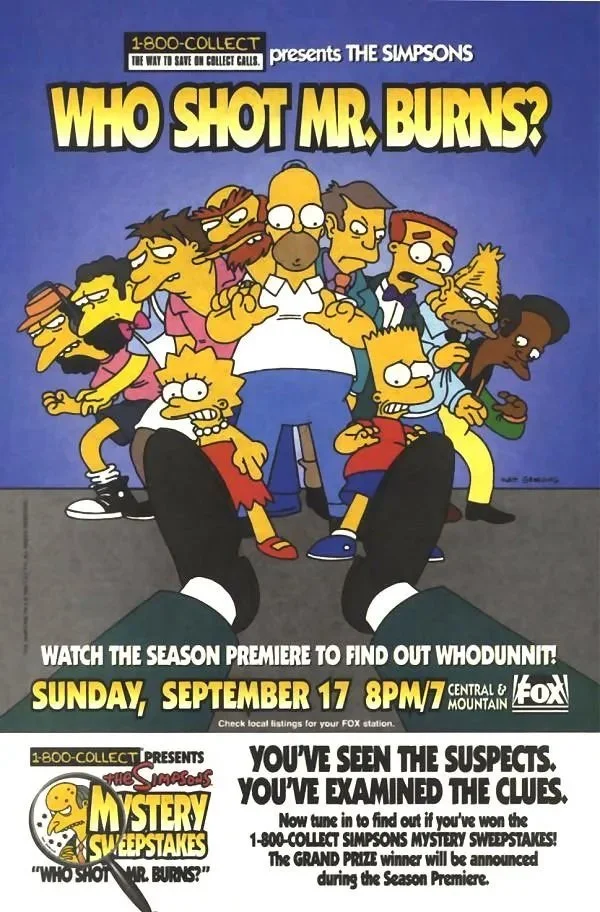
Remember Who shot Mr. Burns? Or the moment in Lost when they finally found the hatch? What about when Ross said Rachel’s name at the altar on Friends?
Years later and we still remember this feeling. Your body leans forward a little. Your eyes get wide. Your mouth opens with ‘what?’ ‘wait?’
And then… The episode ends.
You are supposed to just go on with your life, but your brain is still standing there at the hatch looking up at the torches saying, Wait. What is down there? What just happened? Why don’t I have the answer yet?
That unfinished feeling has a name: the Zeigarnik Effect. Rhymes with My-Gar-Nick
The Zeigarnik Effect is that the brain likes a closed loop. Suspense creates a little discomfort in the body. It makes us alert. It creates that “I need to know what happens next” feeling. And when the story finally resolves, our nervous system gets to stand down.
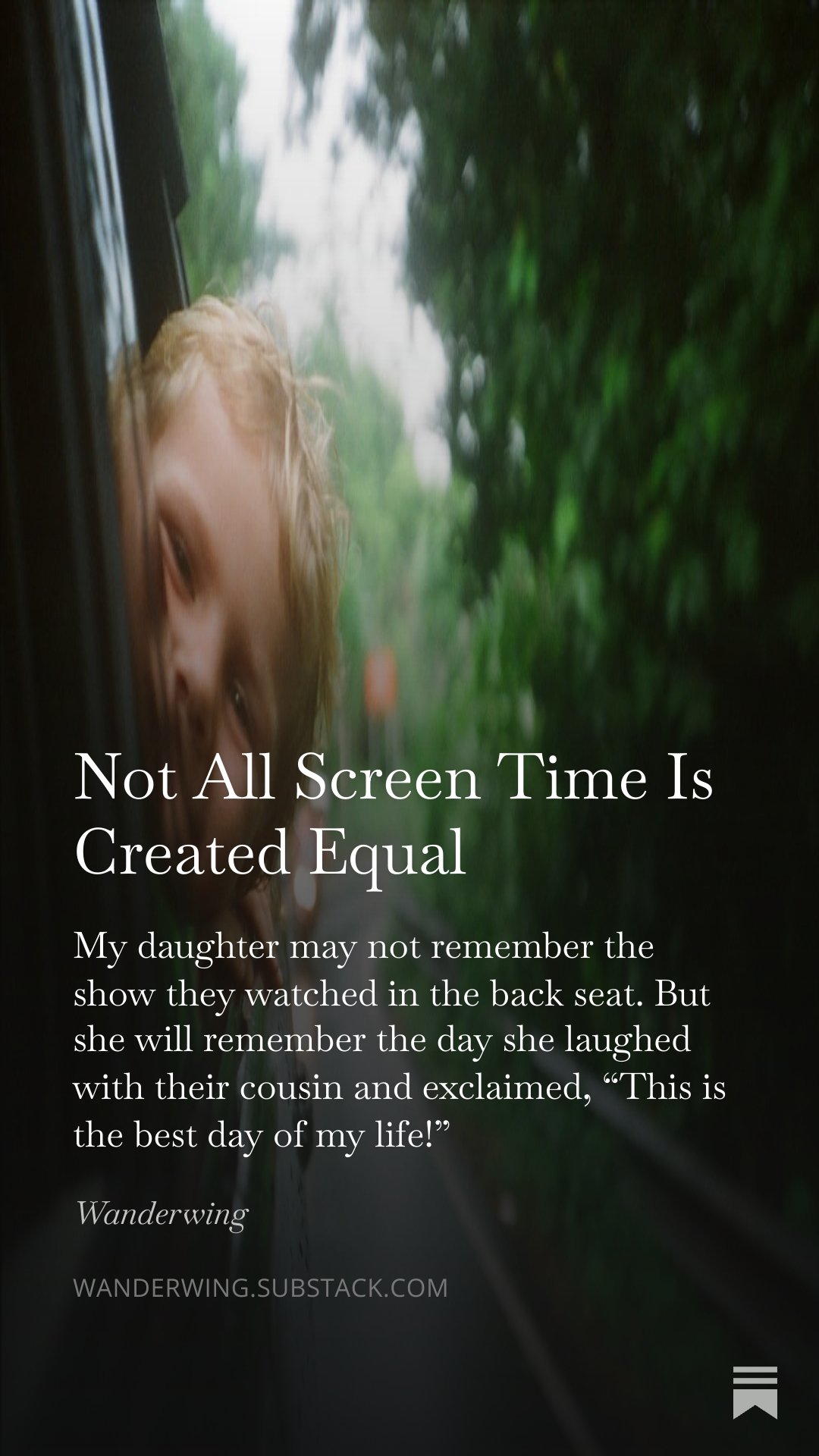
Not All Screen Time is Created Equal
When kids learn how to use screens—not just consume them—they build the self-regulation skills they will need for the rest of their lives.
And sometimes, if we get it right, they also get the kind of memory that makes a kid say:
“I’ve never laughed so hard. This is the best day of my life.”
Screen Balance Is Not Inherent — It’s a Learned Skill
We do not expect kids to learn manners without modeling.
We do not expect kids to learn reading without practice.
We do not expect kids to learn bike riding without wobbling.
So why would we expect them to learn screen balance from apps designed to never end?
Kids’ Tech Needs Incorruptible Founders
Roblox is not just a story about one company losing money because of new safety features. It is a warning to every founder building for children:
If making your product safer hurts your business model, your business model was already in conflict with kids.
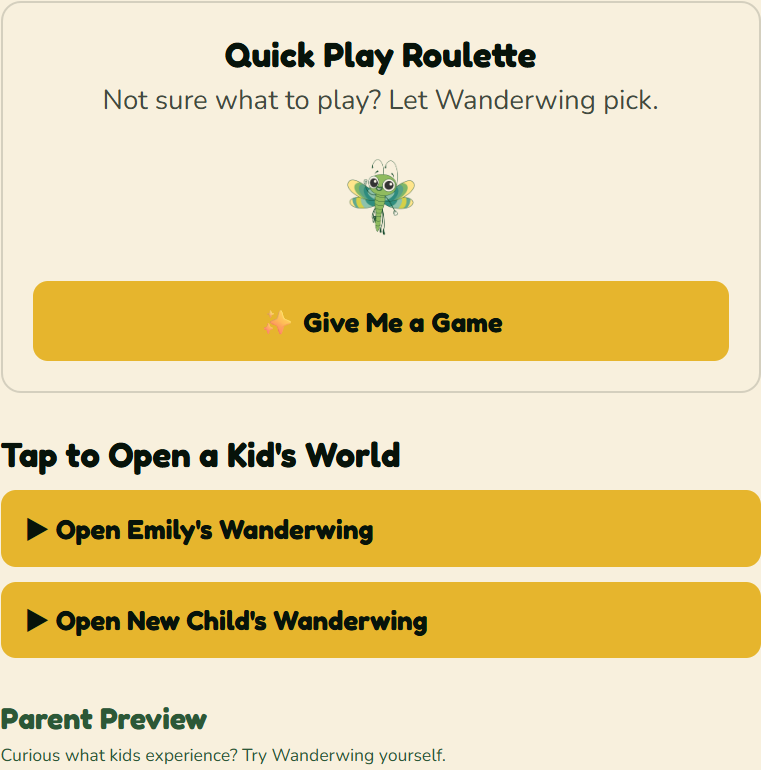
I found my competition
You aren’t choosing an app while sipping tea in a quiet room. You’re handing over your phone because:
You’re in the middle of a checkout line at Costco and a meltdown is imminent.
Your child is being loud in a place that requires “indoor voices.”
You’re “touched out” and just want to eat a warm meal at a restaurant.
You just need five minutes to be a person instead of a jungle gym.
In those moments, my competition isn’t some educational giant like GoNoodle. My competition is a desperate “What can I give my kid right now so I can just breathe?”